
The People Behind HR – An interview with Una Rorke

At HR Search we are constantly inspired by the success stories of all of the incredible HR Professionals we have met along the way. We really enjoy getting to know people and we thought you may like to too! With that in mind, let us introduce to you to Una Rorke.
Until late 2025, Una served as Director of Business Partnering, Change & Engagement at Three Ireland and Three UK, where she led an exceptional team responsible for delivering the organisation’s People & Property Strategy across all business areas. With over ten years of experience in HR and recruitment, Una has built a strong track record of delivering integrated, end-to-end people solutions that enhance employee onboarding, lifecycle management, and compensation operations. Her work consistently focused on aligning people strategy with commercial objectives while fostering inclusive, high-performing workplace cultures.
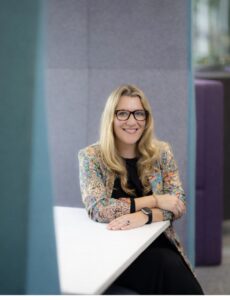
To start, could you tell me a little about yourself and your career journey so far?
I’m very much a people person. I draw my energy and motivation from working closely with others and building genuine connections. I’m a HR leader and coach with a deep belief that meaningful, fulfilling work starts when people feel truly connected, to each other, to the organisation, and to its purpose.
My experience spans HR business partnering, talent acquisition, engagement, and operations. Across all of these, my focus has been on creating cultures where people and performance can thrive together. I’m energised by solving human and organisational challenges, listening carefully to what really matters, and helping individuals and teams navigate change with confidence. Supporting leaders, developing talent, and creating environments where people feel heard, valued, and inspired is what drives me every day.
You began in recruitment before spending 15 years in Telecoms. What made you stay and grow your career in that sector?
I joined Three when it was still a small, entrepreneurial disruptor with around 40 people in head office. It wasn’t well known in the Irish market at the time, but there was a huge sense of ambition and belief that we could challenge the established players.
The pace was relentless and everyone wore multiple hats, often outside their comfort zone. What really hooked me was the sense of true team. We all wanted to succeed, so you leaned in wherever you could add value. As the company evolved and transformed, I did too. Adaptability, resilience, and grit became part of my professional DNA, and I was given the opportunity to build and deepen my HR career alongside that growth.
How did your early recruitment experience shape the way you approached later HR leadership roles?
If you’re energised by people, recruitment is a powerful foundation. It feeds your curiosity and gives you deep insight into individuals at a pivotal point in their lives. You learn what motivates them, what excites them, and what they bring to an organisation.
At the same time, recruitment gives you a strong understanding of how an organisation really works, its structure, its pressures, and its opportunities. That combination of understanding people and understanding the business has stayed with me throughout my career. It allows you to move beyond being a support function and to offer real strategic insight, balancing commercial outcomes with human needs to get the best result for both.
What are some key lessons about people management and organisational change you learned during your time in Telecoms?
Leading people is not for the faint-hearted, and not everyone is naturally strong in that space. One of my biggest learnings is that leading a team is both a privilege and a responsibility. Change is constant, and how leaders show up during times of uncertainty matters more than any process or framework.
Clear communication, consistency, and empathy are essential. People don’t expect leaders to have all the answers, but they do expect honesty, presence, and support. When those are in place, teams are far more resilient and engaged through change.
You rose through several roles to become Director of People Business Partnering, Change and Engagement. What helped you succeed at each stage?
I said yes to opportunities, even when they felt uncomfortable. I embraced change, allowed myself to feel vulnerable while stretching and growing, and I asked for help when I needed it. Being open to learning, feedback, and support made a significant difference at every stage of my career.
How transferable do you find your Telecoms experience to other sectors within HR?
HR skillsets are inherently transferable. What Telecoms added for me was exposure to every stage of organisational growth, from start-up and scaling, to acquisition and large-scale transformation. I experienced this across both head office and retail environments, which has given me a broad, adaptable perspective that translates well into other sectors.
In your view, what qualities make for an excellent senior HR professional in today’s changing world?
Curiosity, adaptability, and the willingness to try new things. Strong HR leaders are comfortable testing and learning, and they recognise that great ideas and opportunities to excel can come from anyone on the team. Creating space for that is key.
How do you balance business partnering responsibilities with leading change and engagement?
For me, they have always been closely linked. Effective business partnering requires a deep understanding of people, culture, and engagement. Leading change successfully depends on strong partnerships with leaders and teams. When those elements are aligned, the work becomes far more impactful.
Looking ahead, what do you see as the biggest challenges for HR in the coming years?
The adoption of AI presents both opportunity and risk. From a change perspective, one of the biggest challenges will be ensuring we don’t lose the human touch. Technology should enable better experiences, not replace meaningful connection.
What advice would you give someone early in their HR career who wants to reach senior leadership roles?
Discomfort is often a sign of growth. Seek out opportunities that stretch you and keep learning. Above all, develop the skill of listening. Not just hearing, but listening with real intent to understand. It’s one of the most powerful and underrated skills in HR leadership.
For more interviews and HR insights take a look here!
Insights

Early Intervention in Employee Relations: Why it’s so important to prevent issues before they escalate
Read Post
Hiring in 2026 – What Irish Charities need to rethink now
Read Post
How HR Will Help Define Organisational Success in 2026
Read Post
Navigating Auto-Enrolment: Important Considerations Ahead of January
Read Post
What Makes a Great HR Generalist in Ireland in 2025?
Read Post
HR Search Insights: Interview with Helen Kiely
Read Post
Top Challenges Facing Chief People Officers in Ireland in 2025
Read Post
Why Strong Employee Relations Are Essential for Irish Workplaces
Read Post
Hiring for Maternity Leave Cover? Why HR Contract Roles are the Ideal Solution
Read Post
10 Career Tips for Compensation & Benefits Specialists in Ireland
Read Post
